Set Dressing for Concept Art: Environmental Storytelling, Clutter Logic, and Lived‑In Detail
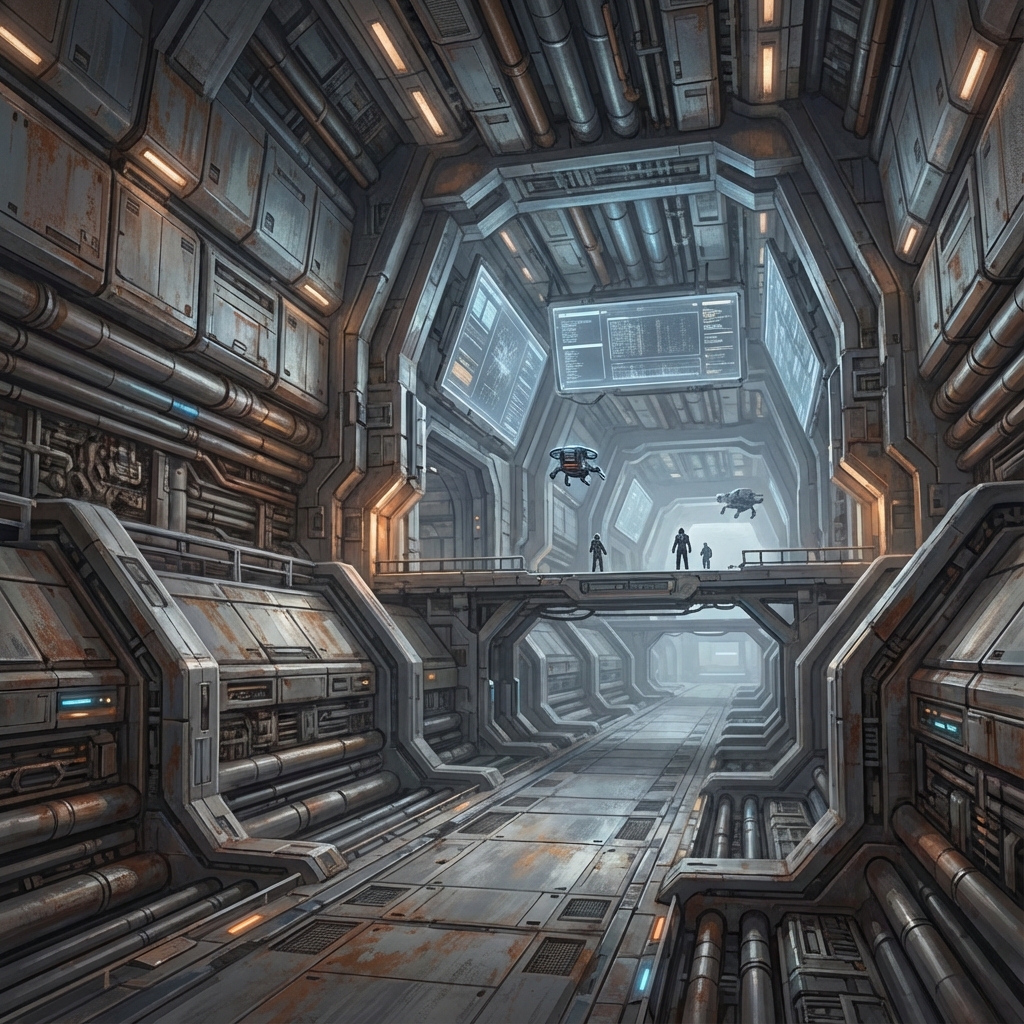
A perfect room looks like a catalog. Concept art should feel like a moment in time—as if something happened just before the camera arrived.
Set dressing is the art of placing objects to tell a story without words. It’s also one of the fastest ways to push a 3D scene from “clean render” to “production concept.”
1. The “Just Left” Rule (Instant Believability)
Your environment should look like someone left 10 seconds ago.
Fast changes that add life
- Pull a chair slightly out and rotate it a few degrees
- Leave a mug near a keyboard (with a faint ring)
- Add a half-open drawer
- Angle a monitor slightly off-center
Pro tip: Avoid perfect alignment. Humans rarely align objects to grid.
2. Story Props: 3 Objects That Define a Character
If you only add a few items, choose narrative objects that imply identity.
The “3 prop rule”
- Tool of trade (job): wrench, headset, medical kit
- Personal item (personality): photo, sticker, charm
- Problem indicator (conflict): broken part, blood stain, warning note
Result: The audience invents the story for you.
3. Cable Logic and Tethering (CG Killer)
In 3D, objects float. In reality, everything connects.
Tether checklist
- Lamps have cords
- Monitors have power + data
- Sci‑fi crates have hoses or clamps
- Batteries connect to devices
Cable physics
- Cables droop (catenary curve)
- They gather dust where they touch the floor
- They cluster near outlets and cable trays
Pro tip: Cables are “free detail”—they add complexity and lead the eye.
4. Grouping: The Rule of Three (Natural Clumps)
Even spacing looks procedural.
How to place debris realistically
- Place 1 big item
- Add 1 medium item touching it
- Add 1 small item slightly separated
Use this for rocks, trash, crates, or desk clutter.
5. Wear Patterns: Damage That Tells Time
Wear must be logical, not random.
High-impact wear zones
- Doorways and floor paths (foot traffic)
- Edges and corners (impact)
- Handles and touch zones (skin oils → more shine)
- Near heat vents (discoloration)
Material trick: Increase roughness variation where objects are handled.
6. Composition: Detail Where It Matters
Set dressing should support composition, not fight it.
Detail hierarchy
- Focal zone: highest detail + sharpest edges
- Midground: medium detail
- Background: simplified + hazy
Rule: Don’t “detail the whole world.” Detail the story beat.
7. Fast Set Dressing Workflow (30 Minutes)
- Place 3 story props
- Add cables/tethers
- Add clumped clutter (rule of three)
- Add one “damage history” element
- Add one readable sign/label
- Mist/haze to push background back
Exercises
- Dress the same room twice:
- Version A: tidy corporate lab
- Version B: abandoned after emergency
- Add only 10 props total. Make the story clear anyway.
Conclusion
Set dressing is storytelling through objects. With a few rules—just-left staging, tether logic, clumped clutter, and logical wear—you can make any environment feel lived-in, cinematic, and ready for production.
Next and Previous
- Previous: Cinematic Lighting in Blender: 3-Point Rigs, Rembrandt, Rim Light & Filmic Exposure
- Next: Color Scripting for Concept Art: Gamut Masks, Palette Control, and Emotional Storytelling
Related tutorials
- Composition & Mood: Directing the Eye
- Creature Design Anatomy: Hybrid Reference, Believable Biology, and Functional Monsters
- Production Sketching Thumbnails: The “Idea Vomit” Workflow for Fast Concept Design
- Render Recovery in Photoshop: Fix Lighting, Pose, Materials, and Composition Without Re-Rendering